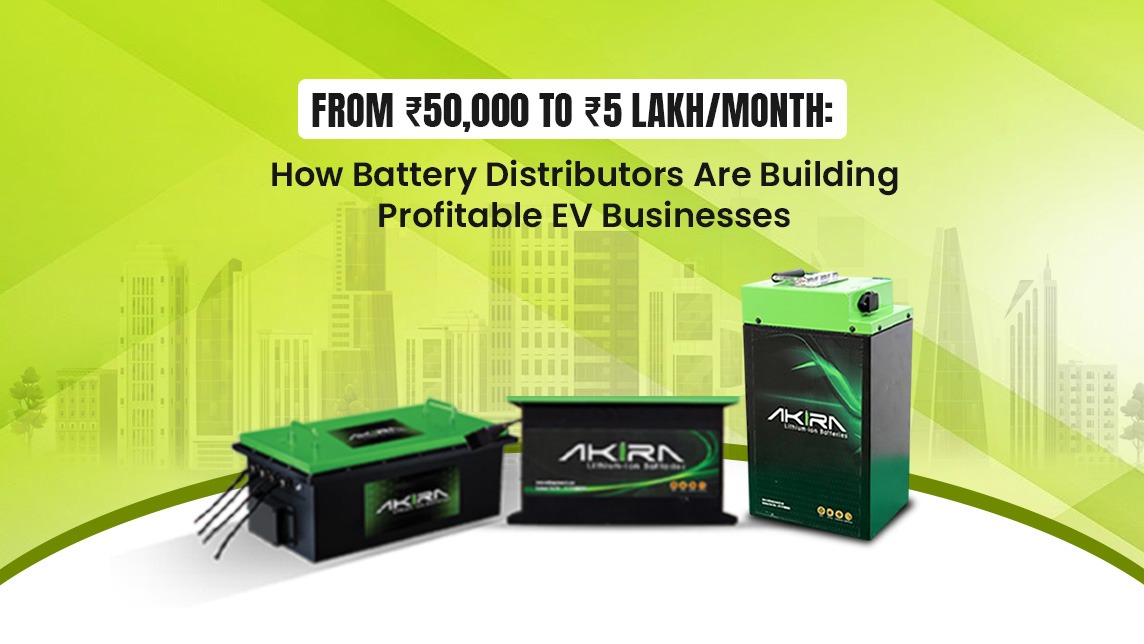
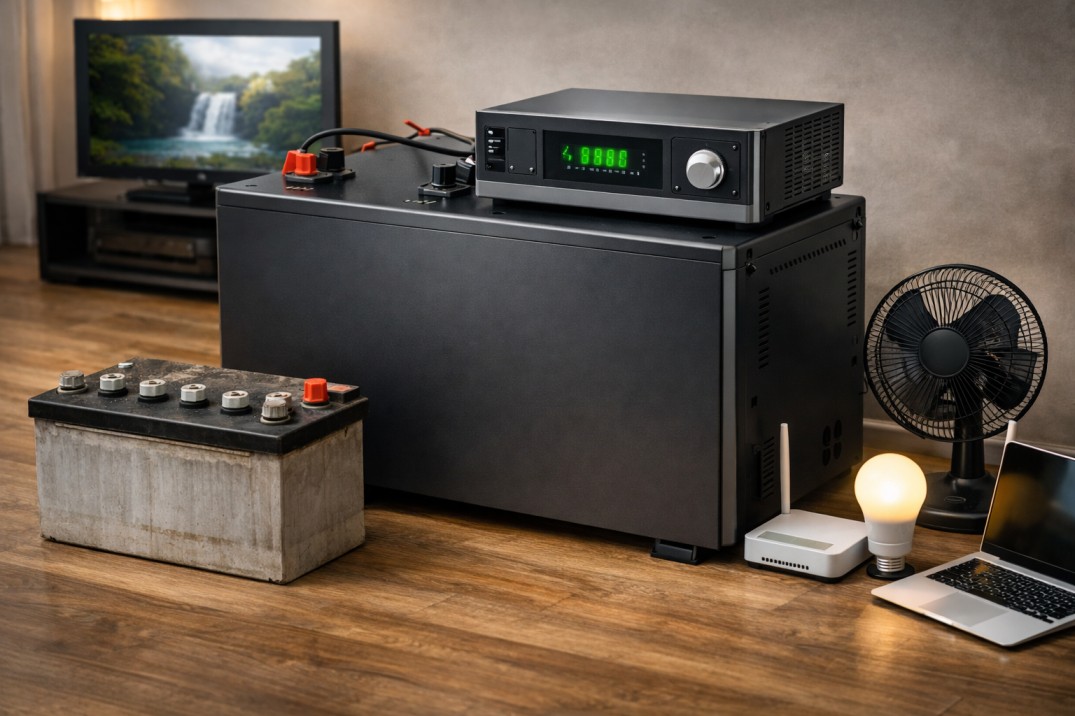
From ₹50,000 to ₹5 Lakh/Month: How Battery Distributors Are Building Profitable EV Businesses

India’s EV market is growing fast and we don’t have to look far to notice it. From electric scooters moving through city streets to e-rickshaws handling short routes, the shift is already visible around us. For small business owners, this is opening up practical, on-ground opportunities.

One group that’s quietly benefiting from this growth is battery distributors. And a big part of this comes down to how we work with Lithium Ion Battery Suppliers In India who can provide consistent quality and supply.

In this article by Akira Batteries, a particularly promising battery manufacturer in India we explore the very reason why the change is happening and what is affected by this change.

What’s Driving EV Growth in India

It’s not only because there is only one reason for this EV craze; there are several reasons that have culminated into this craze.

We’re seeing fuel prices stay unpredictable, government incentives making EVs more accessible, and a growing awareness of environmental concerns. In cities and even smaller towns, electric vehicles are becoming a common part of daily life.

As demand increases, we’re also seeing more distributors partner with Lithium Ion Battery Suppliers In India to keep up with orders and avoid stock gaps.

Why Lithium-Ion Batteries Are Gaining Attention

If we talk to EV users today, lithium-ion batteries often come up as the preferred choice. They charge faster, last longer, and perform more reliably over time.

That said, lead-acid batteries are still widely used, especially in cost-sensitive segments like e-rickshaws.

As a distributor, keeping in touch with good Lithium Ion Battery Suppliers In India helps us to be able to provide both products.

How the Distribution Business Actually Works

At a glance, the distribution model seems simple but we know it requires consistency to run smoothly.

Distributors source batteries and supply them to:

  • EV dealerships and local shops
  • Fleet operators
  • Small assemblers
  • Individual vehicle owners

The real challenge isn’t just selling it’s maintaining steady inventory. That’s where strong relationships with Lithium Ion Battery Suppliers In India such as Akira become important, especially since many components are still dependent on imports.

What Helps Distributors Grow Over Time

Growth in this business doesn’t happen overnight, but certain patterns become clear when we look closely.

Demand continues to rise as more EVs come onto the roads. Offering a variety of battery options helps attract different types of customers. Some distributors also expand their income by providing installation and basic maintenance services.

At the same time, working consistently with dependable Lithium Ion Battery Suppliers In India helps us avoid delays that could disrupt business.

Over time, these factors can gradually increase monthly earnings from smaller amounts to much higher levels.

Costs and Ground Reality

While lithium-ion batteries offer better long-term value, we often see that the upfront cost is still a key concern for many buyers.

Another reality is pricing fluctuation. Even when sourcing from Lithium Ion Battery Suppliers In India, changes in import costs or raw material availability can impact pricing and supply.

Because of this, planning inventory and staying flexible becomes important for distributors.

Using Digital Tools to Find Customers

We’re no longer limited to offline sales. Many distributors now use WhatsApp, Google listings, and local directories to connect with customers.

It’s a small shift, but it makes a real difference especially in a competitive market where multiple Lithium Ion Battery Suppliers In India and distributors are trying to stand out.

Being visible online often leads to more inquiries and better sales opportunities.

Common Challenges in the Business

Like any growing industry, this one has its challenges.

We see strong price competition in local markets, occasional supply delays, and some hesitation from customers who are still unsure about lithium-ion technology.

In most cases, handling these challenges comes down to clear communication, realistic expectations, and having a reliable supplier network.

What the Future Looks Like

If current trends continue, we can expect the EV market in India to grow even further. Naturally, that means battery demand will keep increasing as well.

For distributors, the long-term opportunity is clear but consistency will matter. Those who build strong relationships and continue working closely with trusted suppliers will be in a better position to grow steadily over time.

And Akira is always happy welcoming distributors looking forward to grow their businesses.

Lithium Ion Battery for Inverter: A Simple Guide by Akira

Let’s be realistic, power cuts are simply annoying. You’re in the middle of something, maybe even relaxing, and then all of a sudden, everything is off. Well, that’s where a good inverter system comes in.

But of course, if you’re stuck with one of those older battery types, you might be having more problems than you should be. A lithium ion battery for inverter is a far better choice now. It’s faster, it’s lighter, it’s simply easier to deal with.

What is a Lithium Ion Battery for Inverter?

In simple terms, it’s the part of your inverter system that stores power and gives it back when the electricity goes out.

A lithium ion battery for inverter does the same job as older batteries, but it does it better. You’ll notice things like:

  • It charges faster
  • It lasts longer
  • It doesn’t take up much space
  • You don’t have to maintain it all the time

Once you start using one, it just feels more convenient.

Why People Are Switching to Lithium Batteries

It Lasts Longer

Who even likes to change a battery every few years, with lithium batteries that chore is past. They last for years on years.

It Charges Quickly

Old batteries take their own sweet time to charge. With lithium, it doesn’t take long to charge the batteries.

You Get More Backup

With older batteries, you can’t really use all the stored power without damaging them. Lithium batteries let you use more of that power, which means better backup when you need it.

It’s Not Bulky

These batteries are lighter and smaller. They don’t eat up space and are easier to install.

No Maintenance Headaches

No topping up water, no checking for corrosion. You just install it and it works.

It’s Safer

Most lithium batteries come with built-in protection that keeps things under control, like stopping overheating or overcharging.

Different Options You Can Go For

100Ah Lithium Battery

If your usage is basic, this is a good choice.

It can handle things like:

  • Lights
  • Fans
  • Wi-Fi
  • Laptops

Perfect for small homes or simple needs.

200Ah Lithium Battery

If you’ve got more appliances running, this is the better pick.

It can handle:

  • Multiple rooms
  • TV and fridge
  • Work-from-home setups

You get longer backup, which really helps during longer cuts.

48V Lithium Ion Battery

This one is for bigger setups or if you’re using solar.

It works well for:

  • Solar systems
  • Offices
  • Higher power needs

It’s more efficient and better suited for long-term use.

How to Pick the Right One

You don’t need to overthink it. Just match it to your usage:

  • Light use → 100Ah
  • More appliances → 200Ah
  • Bigger or solar setup → 48V

Also think ahead. If your usage might increase, it’s better to choose something slightly bigger now.

Lithium vs Traditional Batteries

If you’ve used lead-acid batteries, you probably already know the issues. They’re heavy, slow, and need regular care.

A lithium ion battery for inverter makes life easier:

  • It lasts longer
  • It charges faster
  • It works more efficiently
  • It needs almost no maintenance

It might cost more at the beginning, but over time it usually works out better.

Why Choose Akira?

At Akira, we keep things straightforward. We build batteries that are reliable and easy to use.

Here’s what you can expect:

  • Consistent performance
  • Long battery life
  • Built-in safety features
  • Works well with inverters and solar setups
  • Support when you need it

Nothing fancy, just something that works when you need it.

Conclusion

If you’re thinking about upgrading your power backup, going for a lithium ion battery for inverter is a smart move.

It’s easier to use, lasts longer, and saves you a lot of trouble in the long run. Once you switch, you’ll probably wonder why you didn’t do it earlier.

And if you want something dependable, Akira is a solid choice.

How Long Does a Lithium Ion Battery for Inverters Last?

Have you ever thought of upgrading your setup of inverter? If yes then there are chances that you must have heard about lithium batteries. These batteries have become really popular as they last long times and require less maintenance.

One question people ask right away is simple: how long will the battery actually last? You won’t enjoy replacing your battery every year now will you?

Lithium batteries are built to last way longer as compared to the old batteries. Companies like Akira are focusing on advanced lithium technology that ensures a long life, fast charging and many more.

Average Lifespan of a Lithium Ion Battery for Inverter

A typical lithium ion battery for inverter can last 8 to 10 years with normal home usage.

As compared to the 4 to 5 years of a lead acid battery. The promised life is already double the old one.

The reason is simply due to how they handle their charge and discharge cycles and output. They can go through many on many charge cycles before you see any performance drops.

Even after years, a good lithium battery will ensure that you are not replacing it every now and then.

What Are Battery Charge Cycles?

You’ll often hear the term battery cycles when people talk about lithium batteries.

A cycle simply means one full round of charging and using the battery.

For example:

  • Power goes out
  • Your inverter runs on battery power
  • Electricity returns and the battery charges again

That whole process counts as one cycle.

Most lithium ion battery for inverter systems can handle 3000 to 6000 cycles, depending on the technology and build quality. That’s why they can last many years without major performance loss.

Factors That Affect Battery Life

Even though lithium batteries last a long time, a few things can still affect how long they perform at their best.

Usage Frequency

If power cuts happen every day, the battery will cycle more often. That’s normal, but it does mean the battery will reach its total cycle count faster.

Charging Quality

A stable charging system helps the battery stay healthy. Modern lithium batteries usually include smart battery management systems that protect the battery while charging.

Temperature

Extreme heat isn’t great for any battery. Keeping your inverter setup in a cool and ventilated place helps the lithium ion battery for inverter last longer.

Battery Quality

Every battery is built in a different way, not all are the ones you can trust blindly. Reliable brands like Akira focus on strong internal components and protection systems, which helps maintain performance over time.

Lithium Batteries vs Traditional Inverter Batteries

Many homes still use lead acid batteries, but lithium technology is quickly replacing them.

Here’s why:

Longer lifespan
A lithium battery can last almost twice as long as a traditional inverter battery.

Faster charging
Lithium batteries charge much quicker. This is helpful in areas where power comes back only for short periods.

Low maintenance
Lead acid batteries need regular water checks. A lithium ion battery for inverter usually doesn’t need that kind of attention.

Consistent performance
Lithium batteries deliver steady power without sudden drops in voltage.

Simple Tips to Make Your Lithium Battery Last Longer

A few simple habits can help your battery stay in great shape for years.

  • Install the inverter in a well ventilated space
  • Avoid overloading the inverter with too many appliances
  • Use a compatible inverter system
  • Choose a high quality battery from a trusted brand

When the battery is used properly, a lithium ion battery for inverter can easily deliver many years of reliable backup.

Conclusion

Lithium batteries have changed the way home power backup works. They last longer, charge faster, and need very little maintenance.

A good lithium ion battery for inverter can run smoothly for 8 to 10 years, sometimes even longer depending on how it’s used.

That’s why many people are now preferring modern lithium systems from trusted manufacturers such as  Akira.

FAQ

1. For long will my lithium inverter battery last for?

It will last 8 to 10 years very easily given the maintenance is done every once in a while.

2. Do lithium inverter batteries need maintenance?

No. These batteries do not require much maintenance.

3. Can the lithium battery handle regular power cuts well?

Yes. These batteries are made for this very purpose being able to last even if charged and discharged frequently.

How Lithium-Ion Batteries Make Hybrid Inverters Work Smarter

Over a period of time hybrid inverters have emerged as essential components in modern energy setups. They balance grid supply, renewable energy, and stored power. People notice when lights flicker or systems fail. But real efficiency often hides in a quieter place: the battery.

In recent years, lithium-ion inverter batteries have changed the norms a lot. They’re more than storage. They manage energy flow. They enhance system response. They also ensure everything runs smoothly for a long time. At Akira Batteries, we know a lithium ion battery for inverters isn’t just a part. It drives the whole system.

Efficiency Isn’t Just a Number

Most datasheets reduce efficiency to a percentage. But in reality, efficiency is about timing, response, and consistency.

If a battery struggles to deliver voltage or discharges unevenly, the inverter compensates. That compensation costs energy. Over time, it stresses components quietly. Lithium-ion batteries solve this problem at its source: steady voltage, fast response, and predictable behaviour let inverters breathe, not overwork.

Why Lithium-Ion Works Better Than Old Batteries

Traditional batteries were working efficiently earlier however, with modern progression their limitations began to highlight they were heavy, slow, and inconsistent. Voltage drops forced inverters to adjust constantly. Charging took longer, limiting flexibility. That created subtle energy losses across the system.

A lithium ion battery for inverters changes all that. It’s lighter, delivers voltage consistently, and charges efficiently. Inverters can switch seamlessly between solar, grid, and storage without hesitation. The whole system feels responsive. At Akira, we create these batteries to excel for months and years, not just in perfect lab settings.

Coordination Beats Raw Specs

Inverters rely on precision. When batteries behave unpredictably, control systems overcompensate. Heat rises, energy efficiency drops, components wear faster.

Akira Batteries focuses on coordination. Our lithium-ion batteries communicate clearly with the inverter’s control systems. That keeps power flow steady, voltage stable, and heat under control. Small efficiencies here add up over months, years even, preserving both energy and equipment.

Real-World Reliability: lithium ion battery for inverter

Energy systems rarely operate in perfect conditions. Heat, load fluctuations, and unstable grids are the norm. However, Lithium-ion batteries for inverters help your inverter thrive even under these conditions. They manage thermal stress, balance discharge, and keep hybrid inverters performing well.

Efficiency here isn’t a launch-day headline; it’s built to last. Akira tests for long-term performance, not short-term peaks.

Efficiency That Lasts

There is a long period of sustainability associated with lithium-based energy storage systems. It is known that the lifespan of lithium-ion batteries is stable and easy to forecast.

With a lithium-ion battery, an inverter will function properly for many, many years without experiencing any sort of unanticipated decrease in efficiency.

So that all other batteries manufactured by Akira will experience, as a result of Akira’s design and development process, a reduced amount of maintenance, consistent aging, and the ability to perform uniformly at high efficiency for the entire lifespan of the batteries.

Conclusion

Hybrid inverters are only as efficient as the batteries behind them. Lithium-ion batteries deliver fast response, stable output, and reliable long-term performance.

Akira Batteries provides lithium ion battery for inverter solutions designed for sustained efficiency, coordination, and durability. In hybrid systems, efficiency isn’t a claim, it’s lived every day.

FAQ

Q1. Why is battery–inverter coordination critical?

Poor coordination generates heat and inefficiency. Proper alignment ensures steady power and longer component life.

Q2. Are lithium ion battery for inverter suitable for continuous use?

Yes. They maintain output, manage thermal stress, and perform predictably over thousands of cycles.

Q3. Why choose Akira Batteries for inverter systems?

Akira emphasizes real-world testing, lifecycle efficiency, and precise system-level reliability rather than short-term specs.

Understanding Inverter Batteries: Why Premium Lithium-Ion Is Quietly Winning the Backup Game

Power cuts still catch us off guard, don’t they? One minute everything’s fine, the next you’re scrambling for the inverter switch while the fan slows to a lazy stop. For years, most of us have relied on the same heavy, water-guzzling lead-acid batteries. They do the job. With Akira batteries, more families are making the switch to lithium-ion inverter batteries. Based on real usage patterns across Indian homes dealing with frequent voltage fluctuations and long summer outages, lithium-ion inverter batteries are proving to be a long-term upgrade, not a luxury. Let’s see in this blog how Lithium Ion Battery for Inverter is winning the backup game.

What Actually Feels Different Day-to-Day

A good lithium-ion battery for your inverter saves time and money. It offers many other benefits too.

Quick Comparison: Lead-Acid vs. Lithium-Ion for Inverters

  • Usable Power: Lead-acid: ~50% | Lithium-ion: 80–90%
  • Charging Time: Lead-acid: 6–10 hours | Lithium-ion: 2–4 hours
  • Maintenance: Lead-acid: Regular water top-ups | Lithium-ion: Less maintenance.
  • Typical Lifespan: Lead-acid: 4–5 years | Lithium-ion: 8–12 years

The Stuff You Stop Worrying About

Weight drops by half or more. Moving or repositioning the battery isn’t a two-person job that could result in a slipped disc. No more shining a torch into cells. No more trips to buy distilled water. No more cleaning corrosion every few months.

Lifespan follows the same logic. A well-cared-for lead-acid battery may last 4–5 years. In contrast, top lithium models often last 8–12 years with proper care and handle several thousand deep cycles. One lithium-ion battery for inverter can replace three conventional ones in ten years. They accumulate over time.

Efficiency feels good too. You lose far less energy going in and out of the battery, usually only 5–8% instead of 20% or worse. That small change leads to lower electricity bills. It also keeps things cooler during long backups.

Why Akira’s Approach Makes Sense Right Now

Akira lithium solutions for inverters are designed specifically for Indian power conditions. They handle voltage swings, heat over 45 °C, and the daily cycling that homes face. Our lithium batteries focus on inverters. They have strong built-in protection that stops damage before it starts. They recharge in a short time and fit snugly in tight utility spaces.

Many users say the same thing: they often forget about the battery. It only comes to mind during a power outage, which shows it’s still working well. That kind of quiet reliability is hard to put a price on.

Picking the Right One Without Overthinking It

Check your inverter first; most modern ones operate effectively with a lithium-ion battery for inverter after you adjust a couple of settings.

Capacity-wise, 100–200 Ah usually covers a typical 2–3 BHK nicely. Yes, the initial price tag looks higher. But when you factor in zero upkeep, deeper usable power, and years before the next replacement, the story changes.

Last Thought

You don’t buy inverter batteries because we love shopping for them. You buy them so the fridge keeps running, the Wi-Fi stays up for work calls, and the kids’ study table doesn’t turn into a candlelit zone.

A premium lithium ion battery for inverter, especially well-designed solutions like Akira’s, eliminates most of the old headaches and provides hours of reliable performance.

Ready for a smarter backup? Explore Akira’s lithium ion battery for inverter.

FAQs

Q1. Does a lithium ion battery for inverter really last that much longer?

Yes, most good ones give 8–12+ years or 3000–5000 cycles. That’s often 2–3× the real-world life of even a solid lead-acid.

Q2. Will my existing inverter work with lithium?

Usually yes, especially newer models. Just confirm the voltage settings and whether it supports lithium profiles. A quick call to the installer normally sorts it.

Q3. Are Akira batteries safe indoors?

They’re designed to be. Advanced BMS protection handles overcharge, deep discharge, temperature extremes, and short circuits, all built for Indian homes.