Lithium Ion Battery for Inverter: A Simple Guide by Akira

Let’s be realistic, power cuts are simply annoying. You’re in the middle of something, maybe even relaxing, and then all of a sudden, everything is off. Well, that’s where a good inverter system comes in.

But of course, if you’re stuck with one of those older battery types, you might be having more problems than you should be. A lithium ion battery for inverter is a far better choice now. It’s faster, it’s lighter, it’s simply easier to deal with.

What is a Lithium Ion Battery for Inverter?

In simple terms, it’s the part of your inverter system that stores power and gives it back when the electricity goes out.

A lithium ion battery for inverter does the same job as older batteries, but it does it better. You’ll notice things like:

  • It charges faster
  • It lasts longer
  • It doesn’t take up much space
  • You don’t have to maintain it all the time

Once you start using one, it just feels more convenient.

Why People Are Switching to Lithium Batteries

It Lasts Longer

Who even likes to change a battery every few years, with lithium batteries that chore is past. They last for years on years.

It Charges Quickly

Old batteries take their own sweet time to charge. With lithium, it doesn’t take long to charge the batteries.

You Get More Backup

With older batteries, you can’t really use all the stored power without damaging them. Lithium batteries let you use more of that power, which means better backup when you need it.

It’s Not Bulky

These batteries are lighter and smaller. They don’t eat up space and are easier to install.

No Maintenance Headaches

No topping up water, no checking for corrosion. You just install it and it works.

It’s Safer

Most lithium batteries come with built-in protection that keeps things under control, like stopping overheating or overcharging.

Different Options You Can Go For

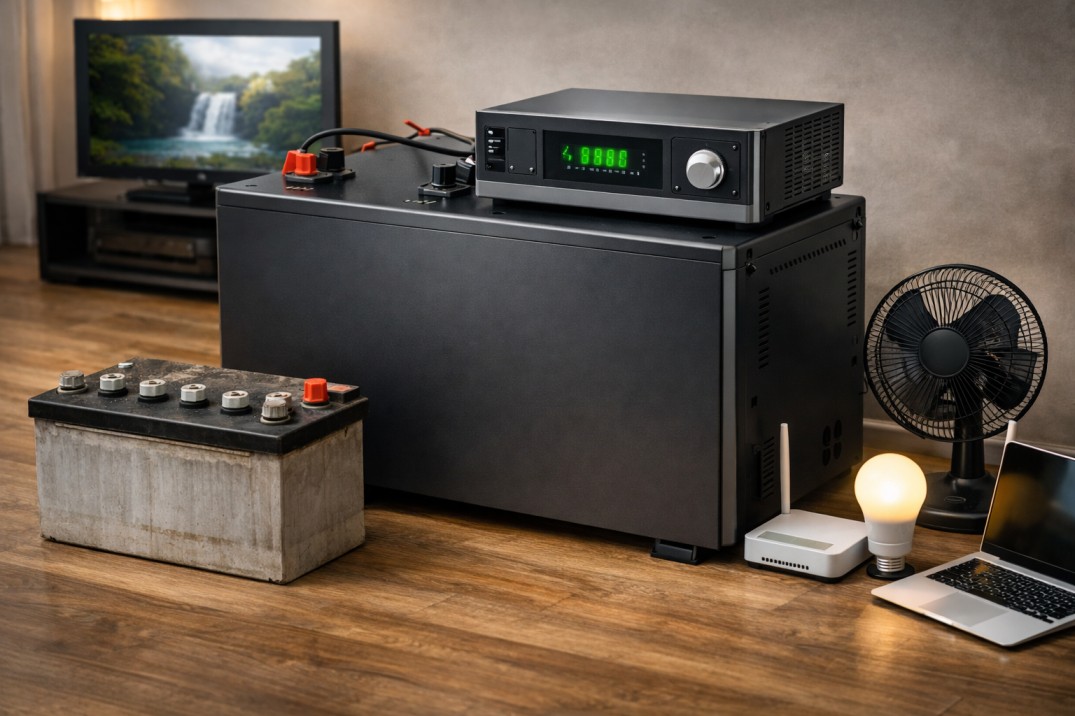
100Ah Lithium Battery

If your usage is basic, this is a good choice.

It can handle things like:

  • Lights
  • Fans
  • Wi-Fi
  • Laptops

Perfect for small homes or simple needs.

200Ah Lithium Battery

If you’ve got more appliances running, this is the better pick.

It can handle:

  • Multiple rooms
  • TV and fridge
  • Work-from-home setups

You get longer backup, which really helps during longer cuts.

48V Lithium Ion Battery

This one is for bigger setups or if you’re using solar.

It works well for:

  • Solar systems
  • Offices
  • Higher power needs

It’s more efficient and better suited for long-term use.

How to Pick the Right One

You don’t need to overthink it. Just match it to your usage:

  • Light use → 100Ah
  • More appliances → 200Ah
  • Bigger or solar setup → 48V

Also think ahead. If your usage might increase, it’s better to choose something slightly bigger now.

Lithium vs Traditional Batteries

If you’ve used lead-acid batteries, you probably already know the issues. They’re heavy, slow, and need regular care.

A lithium ion battery for inverter makes life easier:

  • It lasts longer
  • It charges faster
  • It works more efficiently
  • It needs almost no maintenance

It might cost more at the beginning, but over time it usually works out better.

Why Choose Akira?

At Akira, we keep things straightforward. We build batteries that are reliable and easy to use.

Here’s what you can expect:

  • Consistent performance
  • Long battery life
  • Built-in safety features
  • Works well with inverters and solar setups
  • Support when you need it

Nothing fancy, just something that works when you need it.

Conclusion

If you’re thinking about upgrading your power backup, going for a lithium ion battery for inverter is a smart move.

It’s easier to use, lasts longer, and saves you a lot of trouble in the long run. Once you switch, you’ll probably wonder why you didn’t do it earlier.

And if you want something dependable, Akira is a solid choice.
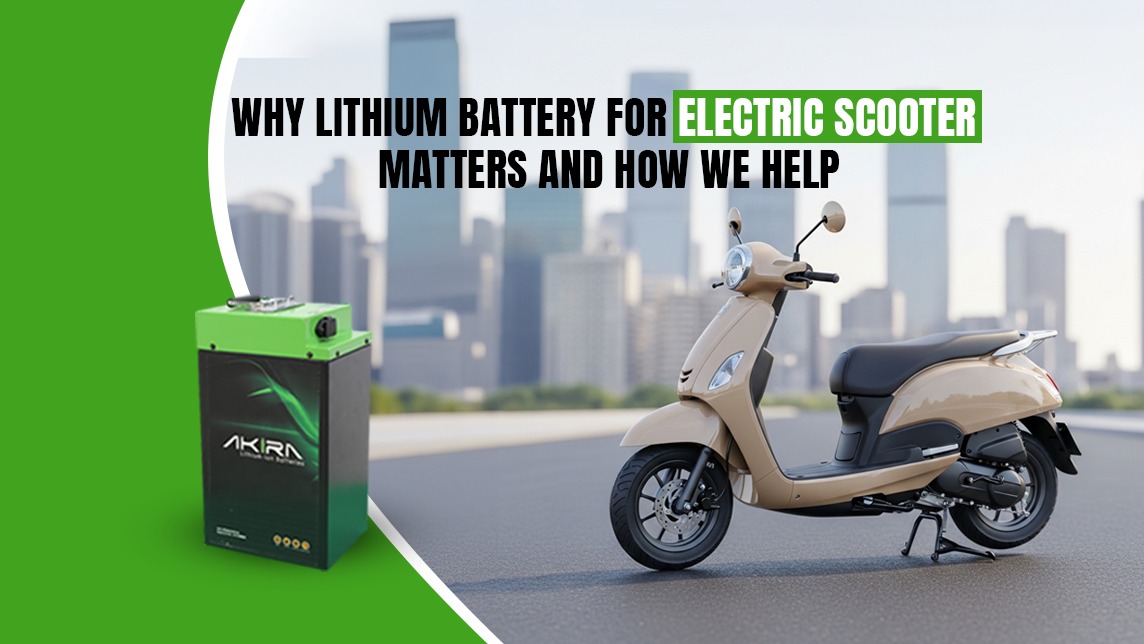
Why Lithium Battery for Electric Scooter Matters and How We Help

Ever noticed how everyone talks about electric scooters… but barely anyone talks about what actually powers them?

That’s where we come in.

At Akira, we focus on building the most important part of any electric ride — the battery. And when it comes to a lithium battery for electric scooters, that’s where we put all our energy.

The Part Most People Overlook

When you look at an electric scooter, you notice the design, speed, maybe even the display.

But the real story? It’s inside.

The battery decides:

  • How far you can go
  • How long charging takes
  • How long the whole system lasts

Therefore the battery isn’t just any component, it is the backbone of a scooter.

Why Lithium Battery for Electric Scooter is a Big Upgrade

Lithium batteries have become the go-to choice for a reason:

  • They last longer than older battery types
  • They charge faster
  • They’re lighter, so the scooter feels easier to handle
  • They deliver consistent performance

That’s why most modern scooters rely on a lithium battery for electric scooter setup.

And this is exactly what we work on every single day.

What We Bring to the Table

We focus only on batteries, which means all our attention goes into getting this one thing right.

That translates into:

  • Better battery life
  • Stable performance over time
  • Safer energy systems
  • Consistent quality across different applications

While our batteries power a wide range of use cases, the same expertise directly improves how a lithium battery for electric scooter performs in real-world conditions.

What This Means for You

Even if you don’t think about it often,  the battery in a scooter affects a lot more than you’d think.

With a well-built lithium battery:

You Worry Less About Range

Your daily rides feel predictable. No constant checking or second-guessing.

Charging Fits Into Your Day

Plug it in, carry on with your routine, and it’s ready when you are.

The Ride Feels Better

A lighter, more efficient battery improves balance and handling.

It Lasts Longer

You’re not thinking about replacements anytime soon.

It’s Also a Cleaner Choice

Switching to electric already helps reduce pollution. A strong lithium battery makes that shift even more effective.

  • No tailpipe emissions
  • Lower energy waste
  • Quieter streets

When more people make this switch, the impact adds up quickly.

Where Things Are Headed

Battery tech is evolving fast, and that’s good news for everyone.

  • Charging times are getting shorter
  • Batteries are becoming more compact
  • Lifespans keep improving

We’re constantly working behind the scenes to push these improvements forward and make every lithium battery better than the last.

Conclusion

It’s easy to focus on the scooter you ride. But the real difference comes from what’s powering it.

The lithium battery for electric scooter is what drives range, performance, and reliability.

And while it might not always be visible, it’s what makes the entire experience work.

So next time you hop on an electric scooter, just remember — the real magic is under your feet

FAQs

1. Why is a lithium battery for electric scooter better than other batteries?

A lithium battery is better because it lasts longer, charges faster, and is much lighter compared to other batteries such as lead acid.

2. How long does a lithium battery for electric scooter usually last?

Most Lithium will easily last for years.

3. Does the battery really affect how the scooter feels to ride?

Yes. A good battery makes a huge difference. A lithium battery is one of the main reasons modern electric scooters are so nice to ride.

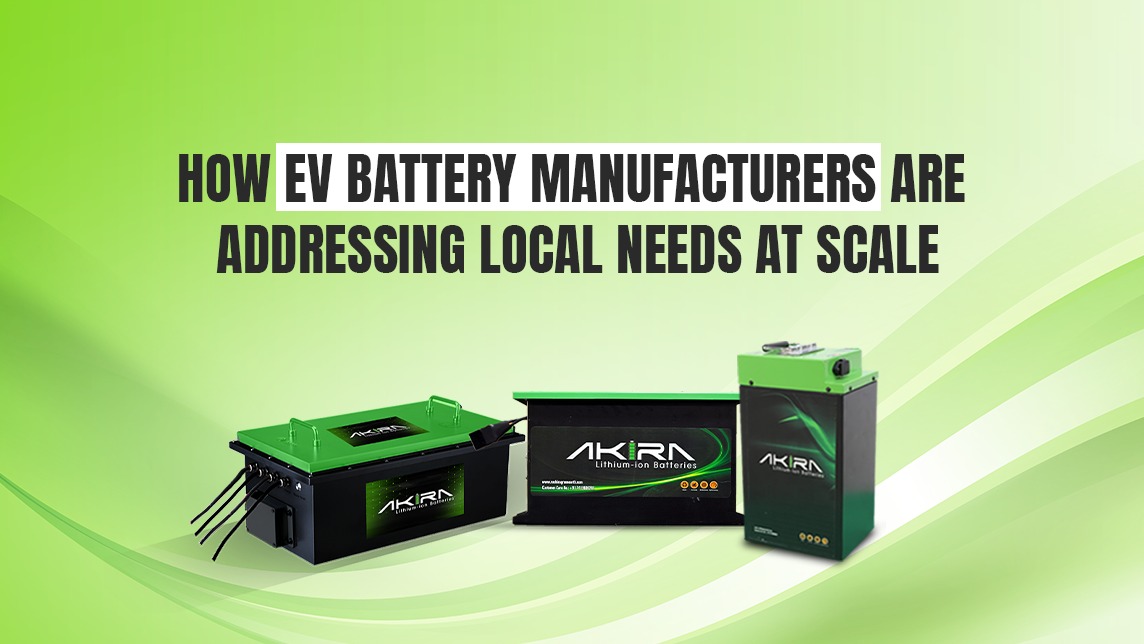
How EV Battery Manufacturers are Addressing Local Needs at Scale

Electric vehicles are transforming the world of transportation globally, and India is no exception in the race to join the electric vehicle revolution.

However, there lies the challenge in the midst of the revolution, which is to develop the electric vehicle batteries for the country’s needs. India’s automobile market is thriving, but the country also has its own set of challenges. 

How are the EV battery manufacturers in India catering to these needs and making the transition to electric vehicles possible?

India’s Growing Demand for Electric Vehicles (EVs)

It is no longer a luxury to own an electric car in India, but a necessity. The rise in pollution levels and an increase in the price of oil have made people look for an alternative, which is a sustainable and cost-effective option. The Indian government is encouraging this move through various initiatives, which has resulted in a huge demand for electric vehicles, thus creating a need for batteries, which are the lifeblood of any electric car.

However, to cater to this need, India cannot rely only on imports.

Why Local EV Battery Manufacturing Matters

Meeting the Needs of Indian Consumers

India is a big country with a wide range of conditions. Whether it is the hot weather of Rajasthan or the humid weather of Kerala, India’s batteries need to deliver in this kind of weather. It is in this regard that Indian companies have a competitive advantage. For example, if we talk of EV batteries, they need to be cost-effective, deliver well in hot weather, and offer a good mileage for Indian consumers. It is in this regard that Indian companies can deliver better for Indian conditions.

Reducing Dependency on Imports

Traditionally, India has imported most of its EV batteries, especially from China. However, importing goods is accompanied by several problems, including long delivery times and fluctuating costs. By making their own, EV battery manufacturers in India can save costs, produce their products faster, and deliver a consistent supply of batteries. Not only will this make EVs cheaper, but the entire chain will become more reliable.

Key Challenges Faced by EV Battery Manufacturers in India

High Cost of Raw Materials

Another big challenge that the battery manufacturers of the electric vehicles face is the raw materials. These raw materials include lithium, cobalt, and nickel. These raw materials are extremely expensive and hard to find. Some local manufacturers have begun working towards the use of alternative raw materials, but this is a big challenge.

Limited Charging Infrastructure

While the electric vehicle industry is growing in India, there is a need to increase charging infrastructure. Without a significant number of charging stations, it is difficult to promote electric vehicles. The battery industry is responding to this by partnering with charging infrastructure companies to increase the number of charging stations. The industry is also focusing on creating faster-charging batteries to make electric vehicles user-friendly.

Leading EV Battery Manufacturers in India: What They’re Doing Right

Scaling Production to Meet Demand

This is because, as the number of EVs increases, so does the number of EV battery requirements. Therefore, in order to keep up with the demand, EV battery manufacturers in India, such as Akira, have increased the scale of production and have also improved the technology used in the production process, thus making EV battery costs more affordable for the ordinary consumer.

Innovating for Local Conditions

This is because the climate is quite different in India. The batteries have to be designed in a different way compared to other countries. Whether it is the scorching heat of the north or the humidity of the coast, the battery has to be able to withstand it. The companies are putting their best efforts into creating a better thermal management system for the battery.

The Future of EV Battery Manufacturing in India

The prospects for the battery manufacturing industry for EVs in India appear to be rosy. India has the potential to emerge as a key player in the battery industry worldwide, and this is possible only through increased investments and government support. As technology is bound to improve, Indian battery manufacturers will continue to work towards making the batteries even more efficient, durable, and faster to charge.

Conclusion

For the distributors, the opportunity here is that local production of EV batteries in India is a good opportunity for them, as they can provide reliable and cost-effective solutions and cater to the growing demand for EVs in the country. This way, the distributors don’t have to face any problem in supply and can provide cost-effective solutions for consumers.

As the country is shifting its focus to electric vehicles, the distributors in this business are bound to thrive in the market.

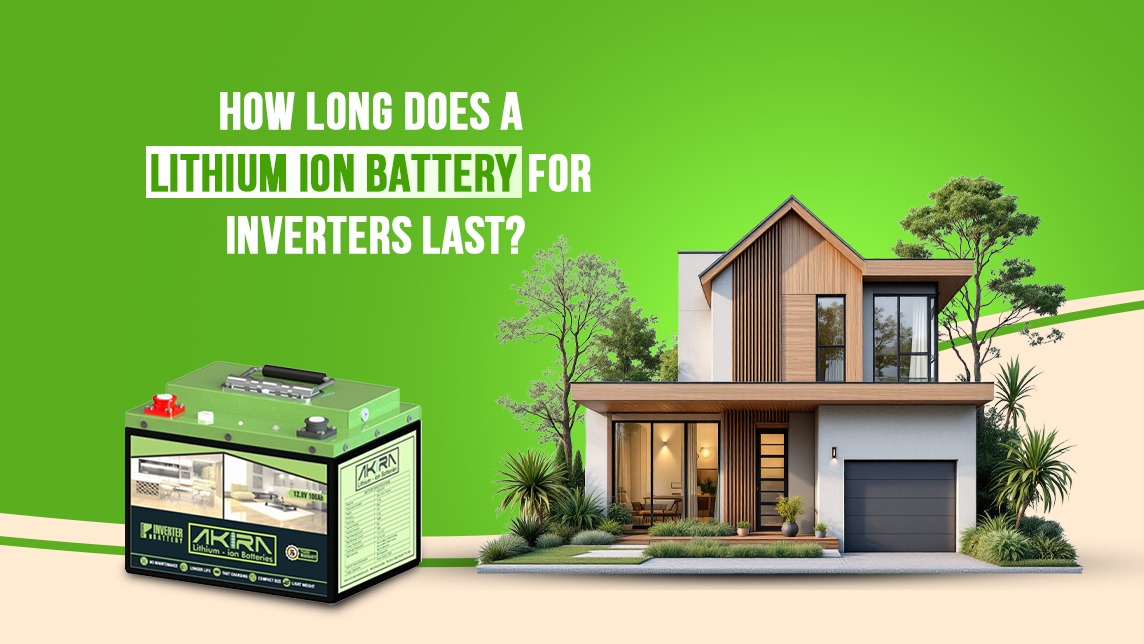
How Long Does a Lithium Ion Battery for Inverters Last?

Have you ever thought of upgrading your setup of inverter? If yes then there are chances that you must have heard about lithium batteries. These batteries have become really popular as they last long times and require less maintenance.

One question people ask right away is simple: how long will the battery actually last? You won’t enjoy replacing your battery every year now will you?

Lithium batteries are built to last way longer as compared to the old batteries. Companies like Akira are focusing on advanced lithium technology that ensures a long life, fast charging and many more.

Average Lifespan of a Lithium Ion Battery for Inverter

A typical lithium ion battery for inverter can last 8 to 10 years with normal home usage.

As compared to the 4 to 5 years of a lead acid battery. The promised life is already double the old one.

The reason is simply due to how they handle their charge and discharge cycles and output. They can go through many on many charge cycles before you see any performance drops.

Even after years, a good lithium battery will ensure that you are not replacing it every now and then.

What Are Battery Charge Cycles?

You’ll often hear the term battery cycles when people talk about lithium batteries.

A cycle simply means one full round of charging and using the battery.

For example:

  • Power goes out
  • Your inverter runs on battery power
  • Electricity returns and the battery charges again

That whole process counts as one cycle.

Most lithium ion battery for inverter systems can handle 3000 to 6000 cycles, depending on the technology and build quality. That’s why they can last many years without major performance loss.

Factors That Affect Battery Life

Even though lithium batteries last a long time, a few things can still affect how long they perform at their best.

Usage Frequency

If power cuts happen every day, the battery will cycle more often. That’s normal, but it does mean the battery will reach its total cycle count faster.

Charging Quality

A stable charging system helps the battery stay healthy. Modern lithium batteries usually include smart battery management systems that protect the battery while charging.

Temperature

Extreme heat isn’t great for any battery. Keeping your inverter setup in a cool and ventilated place helps the lithium ion battery for inverter last longer.

Battery Quality

Every battery is built in a different way, not all are the ones you can trust blindly. Reliable brands like Akira focus on strong internal components and protection systems, which helps maintain performance over time.

Lithium Batteries vs Traditional Inverter Batteries

Many homes still use lead acid batteries, but lithium technology is quickly replacing them.

Here’s why:

Longer lifespan
A lithium battery can last almost twice as long as a traditional inverter battery.

Faster charging
Lithium batteries charge much quicker. This is helpful in areas where power comes back only for short periods.

Low maintenance
Lead acid batteries need regular water checks. A lithium ion battery for inverter usually doesn’t need that kind of attention.

Consistent performance
Lithium batteries deliver steady power without sudden drops in voltage.

Simple Tips to Make Your Lithium Battery Last Longer

A few simple habits can help your battery stay in great shape for years.

  • Install the inverter in a well ventilated space
  • Avoid overloading the inverter with too many appliances
  • Use a compatible inverter system
  • Choose a high quality battery from a trusted brand

When the battery is used properly, a lithium ion battery for inverter can easily deliver many years of reliable backup.

Conclusion

Lithium batteries have changed the way home power backup works. They last longer, charge faster, and need very little maintenance.

A good lithium ion battery for inverter can run smoothly for 8 to 10 years, sometimes even longer depending on how it’s used.

That’s why many people are now preferring modern lithium systems from trusted manufacturers such as  Akira.

FAQ

1. For long will my lithium inverter battery last for?

It will last 8 to 10 years very easily given the maintenance is done every once in a while.

2. Do lithium inverter batteries need maintenance?

No. These batteries do not require much maintenance.

3. Can the lithium battery handle regular power cuts well?

Yes. These batteries are made for this very purpose being able to last even if charged and discharged frequently.