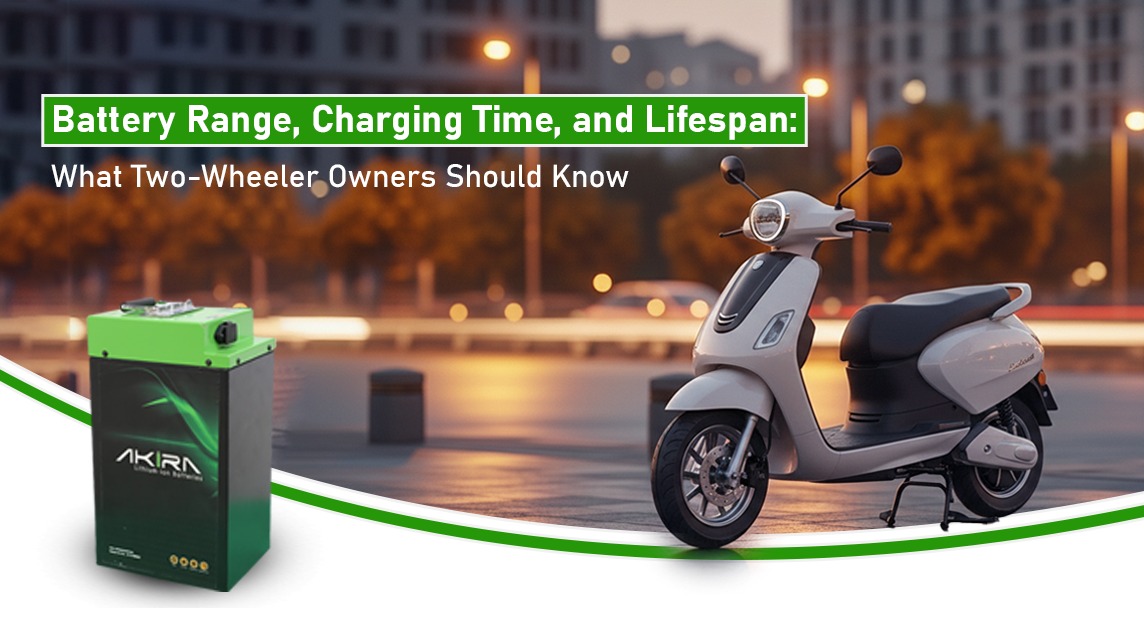
Battery Range, Charging Time, and Lifespan: What Two-Wheeler Owners Should Know

Electric scooters and bikes are now part of daily life. They are quiet. They are easy to ride. And they save money on fuel. But one thing matters more than anything else. The battery. If the battery is good, the ride feels smooth. If the battery is weak, everything feels stressful. So let us talk about three simple things. Range. Charging time. And lifespan.

1. Battery range

Range means how many kilometers your scooter can run on one full charge. This depends on battery size, riding speed, traffic, and even road condition. If you ride calmly, you get better range. If you speed up quickly again and again, range drops. Heavy load also affects it.

Many people only look at the number written in the brochure. But real roads are different. Traffic, signals, and flyovers change things.

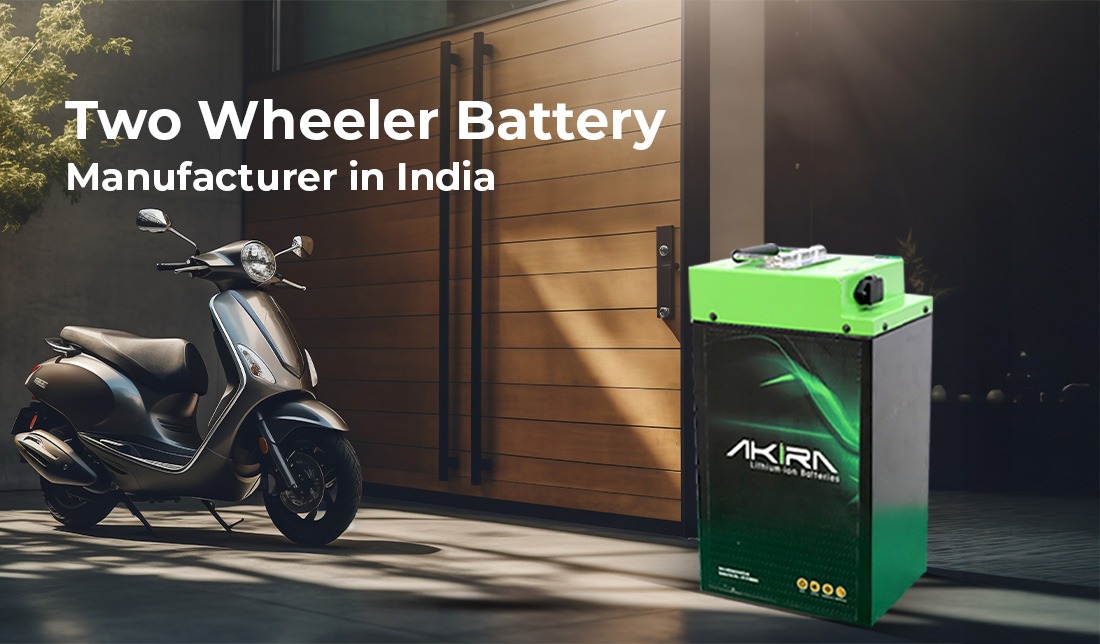
That is why choosing the right Two wheeler battery manufacturer in India is important. A good battery should perform well in daily city riding, not just in test conditions.

At Akira, we focus on stable power. Because daily riders need consistency, not big promises.

2. Charging time

No one likes waiting too long for charging. Most lithium batteries for two-wheelers take around 3 to 5 hours for a full charge. Some systems offer faster charging. That sounds nice. But fast charging must be safe too. If heat is not controlled, battery life can be reduced. Charging should feel simple. Plug in. Relax. And get ready for the next ride.

As a reliable Two wheeler battery manufacturer in India, Akira designs durable and fast charging batteries.

3. Lifespan

This is a big question. A good lithium battery can last many years if used properly. It can handle hundreds of charge cycles. One charge cycle means full use from 0 to 100 percent. If you charge from half to full, that counts as half a cycle. Over time, every battery slowly loses some capacity. That is normal. But quality batteries lose it slowly.

As a trusted Two wheeler battery manufacturer in India, Akira uses strong cells and smart battery management systems. These systems protect from overcharging and overheating. At Akira, we design batteries that are built for Indian weather and roads. Heat, dust, traffic. We keep these things in mind.

Simple tips for riders

Try not to drain the battery to zero often. Charge it before it becomes too low. Use the charger recommended by the company. Keep the scooter in shade when possible. Do not only compare prices. A cheaper battery may need replacement sooner. That costs more in the long run.

Always check warranty and service support. Being a reliable Two wheeler battery manufacturer in India, Akira offer proper after sales help.

Final words

Battery range, charging time, and lifespan are all connected. You need balance. Enough range for daily travel. Charging time that fits your routine. And a battery that lasts for years.

Akira believes power should feel easy and stress free. As a growing Two wheeler battery manufacturer in India, we aim to support riders with batteries that work quietly and reliably. Because riding electric should feel simple. Just charge. Ride. And enjoy the journey.
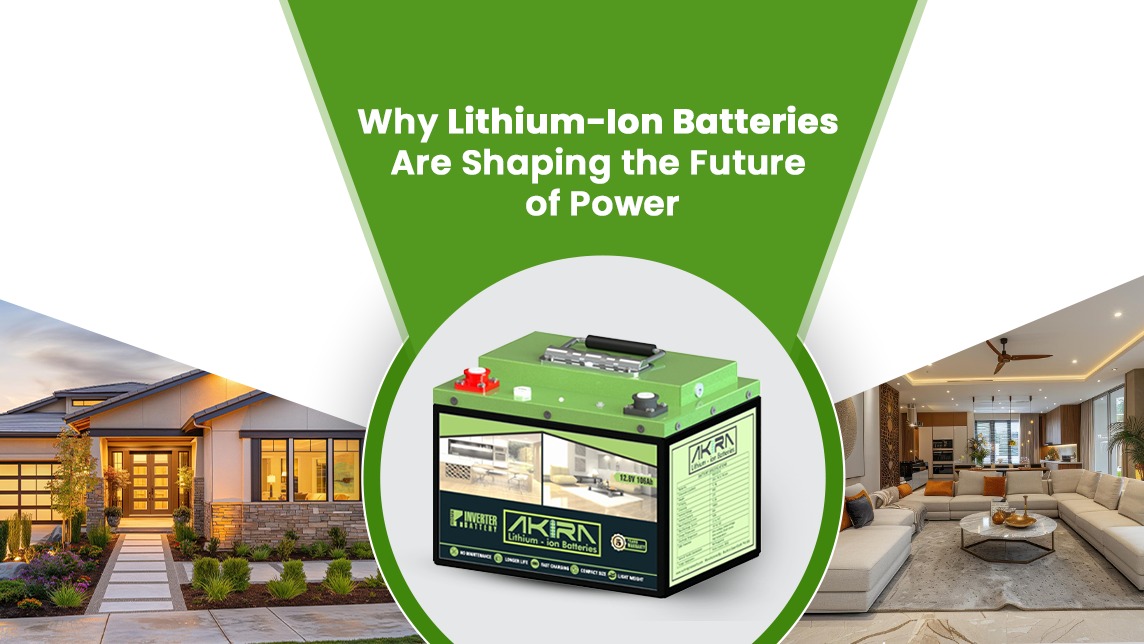
Why Lithium-Ion Batteries Are Shaping the Future of Power

Power cuts still happen. EVs are growing. Solar is becoming common. People want power that feels steady and easy. Old batteries struggle to match this pace. Lithium-ion batteries fit better with today’s needs. They are small in size but strong in output. They store more power without taking much space. That is why many homes and businesses are moving toward them. In this blog by Akira, one of the trusted Lithium ion battery supplier in India, we are going to understand why lithium-ion batteries are shaping the future of power.

1. Built to last longer

One big reason lithium-ion batteries stand out is their long life. You can charge and use them many times. Even after years, they keep working well. This feels reassuring for users. You do not need to replace them often. This saves money in the long run. It also reduces waste. That is why Lithium ion battery suppliers in India often suggest lithium-ion for long term use.

2. Faster charging feels better

Waiting for power is frustrating. Lithium-ion batteries charge faster than traditional ones. This makes a big difference in daily life. For EV charging, speed matters a lot. For home backup, quick charging means you are ready before the next outage. Akira being one of the reliable Lithium ion battery suppliers in India, offers durable batteries for EV and backup systems.

3. Safety you can trust

Earlier, people had safety doubts. Today, things are much better. Modern lithium-ion batteries come with smart control systems. These systems manage heat and power flow. This helps prevent overcharging and overheating. When installed properly, lithium-ion batteries are safe for homes and offices. 

4. A strong partner for solar energy

Solar power is clean but not always available. The sun sets. Clouds come. Lithium-ion batteries store extra solar energy and give it back when needed. This helps reduce power bills and dependence on the grid. Homes and factories using solar feel more confident with lithium-ion storage. Many Lithium ion battery suppliers in India are actively working on solar plus battery projects.

5. Easy to live with

Lithium-ion batteries need very little care. No water filling. No daily checks. Once installed, they work quietly. This is perfect for people who want peace of mind. It is also helpful in places where regular maintenance is hard. This simple nature makes lithium-ion batteries popular across many regions.

Akira’s view on the future

At Akira, a reputable Lithium ion battery supplier in India, we feelpower should feel simple and reliable. Lithium-ion batteries support this idea well. They work for EV charging, solar storage, and backup power. As technology improves, prices are also becoming more friendly. This feels like a natural step forward for energy storage in India. Lithium-ion batteries are not just a new option. They are a better one. They fit today’s needs and tomorrow’s plans.

Thinking of upgrading your energy system?

Talk to Akira today and explore lithium-ion battery solutions that suit your home, business, or EV charging needs. Let us help you move toward smarter and more reliable power.

FAQs

Q.Why are lithium-ion batteries better than old batteries?

They last longer, charge faster, and store more energy in less space.

Q.Can lithium-ion batteries work with solar power?

Yes. They store solar energy and supply it when needed.

Q.Do lithium-ion batteries need regular maintenance?

No. They need very little care compared to traditional batteries.

Q.Why are Lithium ion battery suppliers in India choosing this technology?

Because it suits modern needs like EVs, solar energy, and reliable backup power.

How Lithium-Ion Batteries Make Hybrid Inverters Work Smarter

Over a period of time hybrid inverters have emerged as essential components in modern energy setups. They balance grid supply, renewable energy, and stored power. People notice when lights flicker or systems fail. But real efficiency often hides in a quieter place: the battery.

In recent years, lithium-ion inverter batteries have changed the norms a lot. They’re more than storage. They manage energy flow. They enhance system response. They also ensure everything runs smoothly for a long time. At Akira Batteries, we know a lithium ion battery for inverters isn’t just a part. It drives the whole system.

Efficiency Isn’t Just a Number

Most datasheets reduce efficiency to a percentage. But in reality, efficiency is about timing, response, and consistency.

If a battery struggles to deliver voltage or discharges unevenly, the inverter compensates. That compensation costs energy. Over time, it stresses components quietly. Lithium-ion batteries solve this problem at its source: steady voltage, fast response, and predictable behaviour let inverters breathe, not overwork.

Why Lithium-Ion Works Better Than Old Batteries

Traditional batteries were working efficiently earlier however, with modern progression their limitations began to highlight they were heavy, slow, and inconsistent. Voltage drops forced inverters to adjust constantly. Charging took longer, limiting flexibility. That created subtle energy losses across the system.

A lithium ion battery for inverters changes all that. It’s lighter, delivers voltage consistently, and charges efficiently. Inverters can switch seamlessly between solar, grid, and storage without hesitation. The whole system feels responsive. At Akira, we create these batteries to excel for months and years, not just in perfect lab settings.

Coordination Beats Raw Specs

Inverters rely on precision. When batteries behave unpredictably, control systems overcompensate. Heat rises, energy efficiency drops, components wear faster.

Akira Batteries focuses on coordination. Our lithium-ion batteries communicate clearly with the inverter’s control systems. That keeps power flow steady, voltage stable, and heat under control. Small efficiencies here add up over months, years even, preserving both energy and equipment.

Real-World Reliability: lithium ion battery for inverter

Energy systems rarely operate in perfect conditions. Heat, load fluctuations, and unstable grids are the norm. However, Lithium-ion batteries for inverters help your inverter thrive even under these conditions. They manage thermal stress, balance discharge, and keep hybrid inverters performing well.

Efficiency here isn’t a launch-day headline; it’s built to last. Akira tests for long-term performance, not short-term peaks.

Efficiency That Lasts

There is a long period of sustainability associated with lithium-based energy storage systems. It is known that the lifespan of lithium-ion batteries is stable and easy to forecast.

With a lithium-ion battery, an inverter will function properly for many, many years without experiencing any sort of unanticipated decrease in efficiency.

So that all other batteries manufactured by Akira will experience, as a result of Akira’s design and development process, a reduced amount of maintenance, consistent aging, and the ability to perform uniformly at high efficiency for the entire lifespan of the batteries.

Conclusion

Hybrid inverters are only as efficient as the batteries behind them. Lithium-ion batteries deliver fast response, stable output, and reliable long-term performance.

Akira Batteries provides lithium ion battery for inverter solutions designed for sustained efficiency, coordination, and durability. In hybrid systems, efficiency isn’t a claim, it’s lived every day.

FAQ

Q1. Why is battery–inverter coordination critical?

Poor coordination generates heat and inefficiency. Proper alignment ensures steady power and longer component life.

Q2. Are lithium ion battery for inverter suitable for continuous use?

Yes. They maintain output, manage thermal stress, and perform predictably over thousands of cycles.

Q3. Why choose Akira Batteries for inverter systems?

Akira emphasizes real-world testing, lifecycle efficiency, and precise system-level reliability rather than short-term specs.

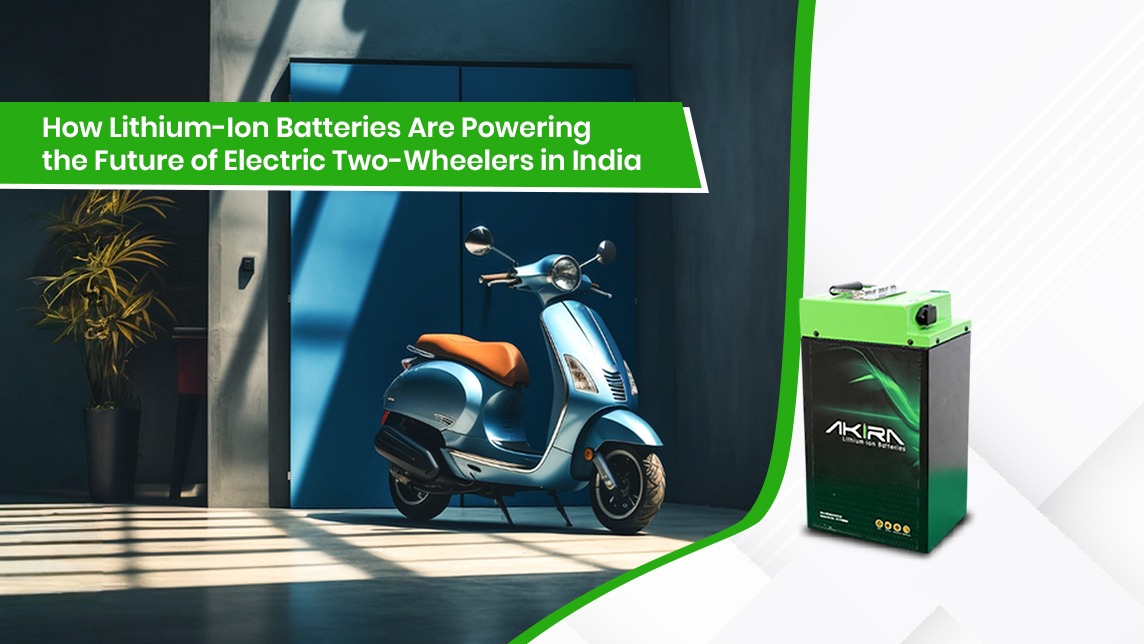
How Lithium-Ion Batteries Are Powering the Future of Electric Two-Wheelers in India

Electric two-wheelers did not succeed in India because people changed their habits suddenly. They succeeded when the machines stopped demanding patience. When range became predictable. When charging fit into real life. When riders stopped thinking about the battery altogether. That change came quietly. And it came through lithium-ion technology. The battery has changed from a simple add-on to a key part of the vehicle. It now shapes the car’s design, affecting its weight, price, and durability over time. Akira Batteries India, a top two-wheeler battery manufacturer in India, sees this trend. They focus on lithium-ion batteries and have included them in their business model.

Why Lithium-Ion Became the Only Practical Option

Earlier battery technologies showed their limits quickly. Vehicles felt heavy. Range dropped without warning. Charging cycles disrupted daily routines. These weren’t minor issues, they directly affected adoption.

Lithium-ion batteries changed that equation. Higher energy density reduced weight. Discharge became stable. Charging times shortened. The riding experience stopped feeling conditional.

But chemistry alone isn’t the story. Execution is. Akira Batteries designs lithium-ion systems around Indian realities, heat that doesn’t forgive, roads that aren’t smooth, and users who don’t always charge perfectly. The assumptions are grounded. That’s where reliability begins.

Performance Is a Long-Term Conversation

Battery performance doesn’t reveal itself on launch day. It shows up months later. After repeated charging. After summers and monsoons. After usage patterns settle into something real.

Lithium-ion batteries hold up in that long view:

  • Over 1,000 charge cycles without sudden decline
  • Lower system weight, improving efficiency and handling
  • Faster charging, reducing everyday friction
  • Minimal maintenance intervention
  • Stable output, even under thermal stress

Akira, an experienced two-wheeler battery manufacturer in India, focuses on how these characteristics age. For OEMs planning scale, gradual, predictable aging matters more than early performance peaks.

Why the Manufacturer Matters More Than the Specification

As electric two-wheelers scale, tolerance for uncertainty drops. Battery problems rarely fail loudly. They appear quietly, range fades earlier than expected, service calls increase, confidence slips.

As a dependable two-wheeler battery manufacturer in India, Akira Batteries is designed to prevent these outcomes. Safety systems manage electrical and thermal risk. Mechanical design supports durability on poor roads. Battery management logic prioritizes longevity over short-term optimization.

This approach creates predictability. And predictability is what allows electric mobility to scale.

Where the Market Is Headed

India’s electric two-wheeler market is entering a more disciplined phase. Decisions are becoming data-led. Lifecycle costs matter more than novelty. Supplier reliability matters more than claims.

Lithium-ion batteries will remain central to this phase. Akira Batteries continues to align development with regulatory direction, scale requirements, and real-world performance expectations. The goal isn’t rapid expansion. It’s sustainable growth.

Conclusion

Lithium-ion batteries didn’t just boost electric two-wheelers; they built trust.

Akira is a dependable two-wheeler battery manufacturer in India in India’s battery landscape. They deliver lithium-ion solutions that champion reliability, safety, and exceptional performance. These cornerstones are vital for winning the electric mobility race.

Planning electric two-wheeler platforms for scale requires battery partners who understand long-term performance, not just specifications.

Akira Batteries works closely with OEMs to design lithium-ion systems that perform consistently across real Indian operating conditions, from thermal stress to high-cycle usage.

FAQ

Q1. Why are lithium-ion batteries preferred for electric two-wheelers today?

Because they remove uncertainty. They offer better range without adding weight, charge faster, and deliver consistent performance over time. Riders trust what behaves predictably.

Q2. Do these batteries actually handle Indian conditions well?

They’re built for them. High temperatures, vibration, uneven roads, inconsistent charging. These aren’t edge cases. They’re the baseline Akira designs for.

Q3. Why do OEMs choose Akira Batteries as a partner?

Because consistency matters at scale. Akira combines engineering discipline, safety focus, and real-world understanding as a reliable two-wheeler battery manufacturer in India.

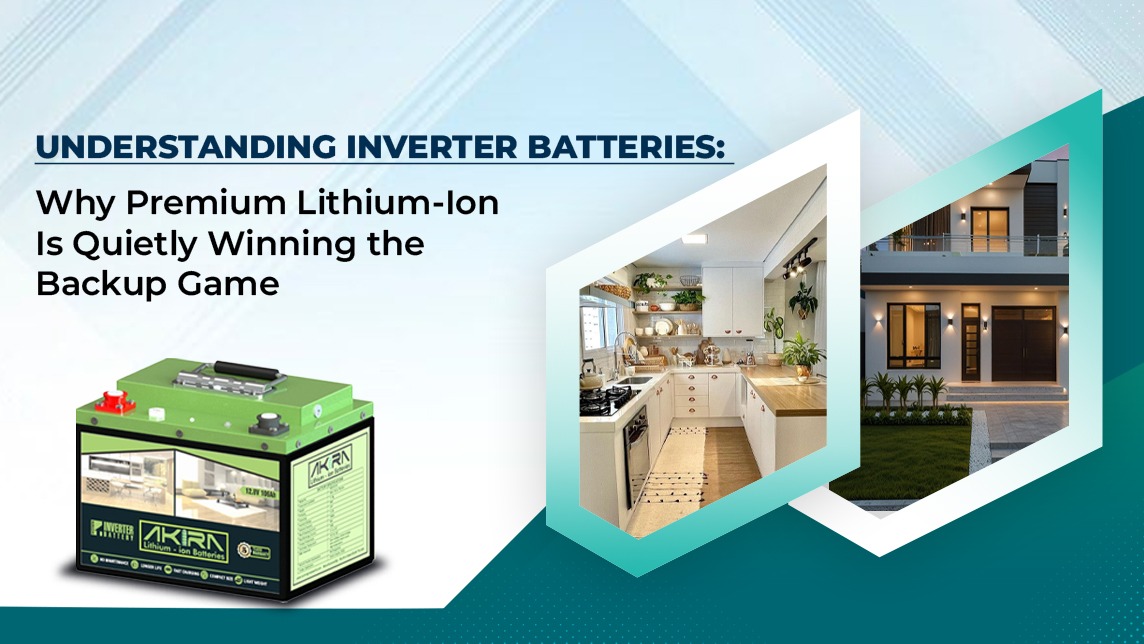
Understanding Inverter Batteries: Why Premium Lithium-Ion Is Quietly Winning the Backup Game

Power cuts still catch us off guard, don’t they? One minute everything’s fine, the next you’re scrambling for the inverter switch while the fan slows to a lazy stop. For years, most of us have relied on the same heavy, water-guzzling lead-acid batteries. They do the job. With Akira batteries, more families are making the switch to lithium-ion inverter batteries. Based on real usage patterns across Indian homes dealing with frequent voltage fluctuations and long summer outages, lithium-ion inverter batteries are proving to be a long-term upgrade, not a luxury. Let’s see in this blog how Lithium Ion Battery for Inverter is winning the backup game.

What Actually Feels Different Day-to-Day

A good lithium-ion battery for your inverter saves time and money. It offers many other benefits too.

Quick Comparison: Lead-Acid vs. Lithium-Ion for Inverters

  • Usable Power: Lead-acid: ~50% | Lithium-ion: 80–90%
  • Charging Time: Lead-acid: 6–10 hours | Lithium-ion: 2–4 hours
  • Maintenance: Lead-acid: Regular water top-ups | Lithium-ion: Less maintenance.
  • Typical Lifespan: Lead-acid: 4–5 years | Lithium-ion: 8–12 years

The Stuff You Stop Worrying About

Weight drops by half or more. Moving or repositioning the battery isn’t a two-person job that could result in a slipped disc. No more shining a torch into cells. No more trips to buy distilled water. No more cleaning corrosion every few months.

Lifespan follows the same logic. A well-cared-for lead-acid battery may last 4–5 years. In contrast, top lithium models often last 8–12 years with proper care and handle several thousand deep cycles. One lithium-ion battery for inverter can replace three conventional ones in ten years. They accumulate over time.

Efficiency feels good too. You lose far less energy going in and out of the battery, usually only 5–8% instead of 20% or worse. That small change leads to lower electricity bills. It also keeps things cooler during long backups.

Why Akira’s Approach Makes Sense Right Now

Akira lithium solutions for inverters are designed specifically for Indian power conditions. They handle voltage swings, heat over 45 °C, and the daily cycling that homes face. Our lithium batteries focus on inverters. They have strong built-in protection that stops damage before it starts. They recharge in a short time and fit snugly in tight utility spaces.

Many users say the same thing: they often forget about the battery. It only comes to mind during a power outage, which shows it’s still working well. That kind of quiet reliability is hard to put a price on.

Picking the Right One Without Overthinking It

Check your inverter first; most modern ones operate effectively with a lithium-ion battery for inverter after you adjust a couple of settings.

Capacity-wise, 100–200 Ah usually covers a typical 2–3 BHK nicely. Yes, the initial price tag looks higher. But when you factor in zero upkeep, deeper usable power, and years before the next replacement, the story changes.

Last Thought

You don’t buy inverter batteries because we love shopping for them. You buy them so the fridge keeps running, the Wi-Fi stays up for work calls, and the kids’ study table doesn’t turn into a candlelit zone.

A premium lithium ion battery for inverter, especially well-designed solutions like Akira’s, eliminates most of the old headaches and provides hours of reliable performance.

Ready for a smarter backup? Explore Akira’s lithium ion battery for inverter.

FAQs

Q1. Does a lithium ion battery for inverter really last that much longer?

Yes, most good ones give 8–12+ years or 3000–5000 cycles. That’s often 2–3× the real-world life of even a solid lead-acid.

Q2. Will my existing inverter work with lithium?

Usually yes, especially newer models. Just confirm the voltage settings and whether it supports lithium profiles. A quick call to the installer normally sorts it.

Q3. Are Akira batteries safe indoors?

They’re designed to be. Advanced BMS protection handles overcharge, deep discharge, temperature extremes, and short circuits, all built for Indian homes.

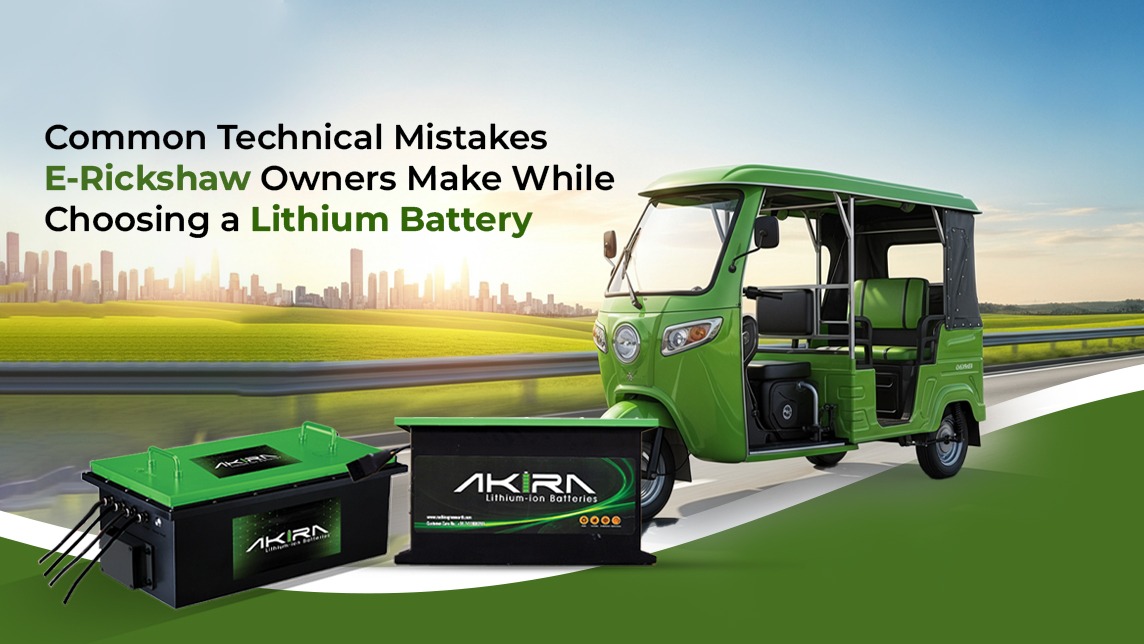
Common Technical Mistakes E-Rickshaw Owners Make While Choosing a Lithium Battery

In the e-rickshaw business, battery problems rarely appear overnight. They build quietly. A little voltage instability here. A bit of heating there. Then one day, range drops, controllers fail, or the battery simply refuses to hold charge. In most cases, the root cause isn’t usage, it’s selection.

Choosing the wrong lithium ion battery for e rickshaw from a technical standpoint is one of the costliest mistakes operators make. And unfortunately, it’s far more common than it should be.

1. Matching Nominal Voltage Without Studying Load Behaviour

On paper, voltage looks simple. In reality, it isn’t. Many batteries show the correct nominal voltage but collapse under real driving loads. That collapse stresses motor controllers and slowly damages internal components.

A properly engineered lithium ion battery for e rickshaw must hold voltage steady during acceleration, inclines, and stop-start traffic.

AKIRA batteries are designed to deliver controlled voltage behavior, not just a printed number on a label.

2. Confusing Capacity With Power Delivery

Capacity (Ah) is easy to sell. Power delivery is harder to explain and often ignored. When a battery is unable to deliver sufficient current during peak demand, voltage sag occurs. The rickshaw feels sluggish, heats up, and e-rickshaw battery drains faster than expected leading to reducing the life span of the battery.

AKIRA batteries are built with balanced discharge characteristics. That balance allows the lithium ion battery for e rickshaw to deliver power smoothly, even during continuous commercial use, without stressing the cells.

3. Ignoring Thermal Design in E-Rickshaw Lithium Batteries

Heat is the slowest, quietest battery killer. Poor thermal design doesn’t always cause immediate failure. Instead, it shortens battery life month by month.

AKIRA integrates thermal stability into the battery structure itself. Heat disperses evenly, temperatures remain controlled, and cell degradation slows dramatically. As a result, the lithium ion battery for e rickshaw performs consistently across long working hours and high ambient conditions.

4. Assuming All BMS Systems Are “Good Enough”

A weak Battery Management System doesn’t fail loudly. It fails silently, through poor cell balancing, delayed protection, and inaccurate charge readings.

AKIRA batteries use intelligent BMS logic that actively monitors voltage, current, and temperature at the cell level. This allows each lithium ion battery for e rickshaw to protect itself in real time, rather than reacting after damage has begun.

5. Using Unsuitable Lithium Cell Chemistry

Not every lithium chemistry belongs in a commercial EV. Some degrade quickly under repeated high-load cycles. Others lose stability when pushed daily.

AKIRA selects lithium chemistry specifically suited for e-rickshaw duty cycles. This ensures the lithium ion battery for e rickshaw maintains structural stability, predictable performance, and long service life under real operating conditions.

Why AKIRA Batteries Perform Reliably in the Field

AKIRA batteries are engineered around actual e-rickshaw usage, not lab assumptions. Voltage regulation, discharge capability, thermal control, and BMS intelligence work together as a single system. That systems approach is what delivers reliability, safety, and long-term value.

This engineering approach has been validated across diverse operating conditions and daily commercial usage.

Conclusion

Technical mistakes during battery selection rarely look serious at first. Yet over time, they reduce earnings, increase downtime, and raise replacement costs. Choosing a properly engineered lithium ion battery for e rickshaw eliminates these risks at the design level. AKIRA Batteries address the technical realities of commercial EV operation, making them a dependable choice for operators who value performance and longevity.

Avoid costly technical mistakes when choosing a battery for an e rickshaw. See how AKIRA Batteries ensure stable performance and longer life.

FAQs

Q1. Can poor thermal design reduce battery life without warning signs?

Yes. Heat accelerates internal degradation long before failure becomes visible.

Q2. Does BMS quality really affect daily driving?

Absolutely. A strong BMS ensures safety, balance, and accurate performance tracking.

Q3. Are AKIRA batteries suitable for high-usage e-rickshaws?

Yes. AKIRA batteries are engineered for continuous, high-load commercial operation.

The Physics of Vibration: How Indian Roads Redefine Two-Wheeler Battery Durability

Indian roads tell a story. Sometimes smooth, often unpredictable, and always demanding. Every pothole, speed breaker, and uneven stretch sends vibrations straight through a two-wheeler’s frame. Riders feel it in their wrists. Batteries feel it inside their core. Most battery failures blamed on “poor quality” actually begin with vibration stress. Over time, these micro-shocks weaken internal components. Engineers at Akira have studied this closely. As a trusted Two wheeler battery manufacturer in India, Akira understands how road physics quietly decides battery lifespan.

Why Vibration Matters More Than You Think

Vibration is not just movement. It is repeated mechanical stress. When a scooter moves over rough terrain, energy transfers from the chassis into the battery casing. Inside, plates shift, weld joints strain, and electrolyte levels fluctuate.

Initially, performance feels normal. However, over thousands of kilometers, alignment drifts. Internal resistance increases. Eventually, starting power drops without warning.

Indian riding conditions amplify this effect. Urban traffic, rural roads, and overloaded rides create continuous low-frequency and high-frequency vibrations. Therefore, batteries designed for smoother environments struggle here. This is where a capable Two wheeler battery manufacturer in India makes a difference.

Internal Plate Damage: The Silent Breakdown

Battery plates store and release energy. They must remain stable. Under constant vibration, thin or poorly supported plates flex. Over time, active material sheds from the grid. Capacity declines.

Akira addresses this by using reinforced plate structures and optimized grid design. This ensures plates remain stable even under prolonged vibration exposure. Consequently, power delivery stays consistent for longer periods.

Electrolyte Imbalance and Vibration Stress

Vibration also affects electrolyte distribution. Repeated shaking causes uneven concentration. Some areas overwork, while others underperform. This imbalance accelerates sulfation and corrosion.

Akira batteries use precisely controlled electrolyte formulation and internal separators. As a result, chemical stability remains intact despite rough riding conditions. This attention to detail defines a responsible Two wheeler battery manufacturer in India.

Casing Strength: The First Line of Defense

A weak casing transfers vibration inward. A strong casing absorbs and disperses energy. Indian roads demand the latter.

Akira designs battery casings with vibration-resistant polymers and reinforced ribs. These features reduce internal shock transmission. Therefore, sensitive components remain protected even on long, uneven rides.

Real-World Riding Patterns Shape Durability

Stop-start traffic, sudden braking, heavy loads, and poor road surfaces combine into a harsh operating environment. Laboratory tests alone cannot predict this stress.

Akira tests batteries under simulated Indian road conditions. This approach ensures alignment between design and reality. It also explains why Akira earns trust as a Two wheeler battery manufacturer in India focused on durability, not just specifications.

How Engineering Converts Physics into Reliability

Battery longevity improves when physics guides design. Akira focuses on:

  • Reinforced internal plate support
  • Vibration-absorbing casing architecture
  • Stable electrolyte distribution
  • Secure terminal and weld structures

Each element works together. Consequently, vibration no longer shortens battery life prematurely.

Conclusion: Indian Roads Demand Smarter Batteries

Vibration never stops on Indian roads. It quietly reshapes battery durability every single day. However, when manufacturers engineer with this reality in mind, performance remains predictable.

Akira builds batteries that respect physics, road conditions, and rider expectations. Through focused engineering and field-tested design, Akira continues to stand strong as a dependable Two wheeler battery manufacturer in India.

Choose batteries engineered for real Indian roads. Discover Akira’s vibration-resistant two-wheeler batteries built for longer life and reliable performance

FAQs

Q1. Why do scooter batteries fail early on rough roads?

Continuous vibration damages internal plates, welds, and electrolyte balance over time.

Q2. Can vibration really affect starting power?

Yes. Internal damage increases resistance, reducing cranking performance..

Q3. Why choose Akira batteries?

Akira designs for Indian road realities, making it a reliable Two wheeler battery manufacturer in India focused on long-term durability.

How Long Does a Lithium Ion Inverter Battery Last? Real Truth for Home Users

Electricity not only provides energy to some appliances every household, it provides flow to productivity, helps people achieve their dream; however, power cuts are inevitable, therefore investing in a good inverter battery is more important than the attention it is given. When homes invest in power backup, longevity matters. Homeowners increasingly ask: “How long does a lithium ion inverter battery last?” Buyers want clarity, reliability, and value. In this detailed guide, we uncover the real answer and explain why choosing a Lithium ion battery for inverter from Akira provides lasting power and peace of mind.

What Is a Lithium ion battery for inverter?

A Lithium ion battery for inverter is designed with advanced lithium ion technology specifically for home inverters. Unlike traditional lead-acid batteries, it offers:

  • Longer lifespan
  • Faster recharge times
  • Higher energy efficiency
  • Lower maintenance

Perhaps, benefits directly translate into better performance for daily home use.

Real Lifespan: How Long It Really Lasts

In most home conditions, a quality Lithium ion battery for inverter, especially from recognized lithium-ion battery manufacturers like Akira batteries, lasts for years with proper care. Importantly:

  • You will use more cycles before degradation.
  • Performance stays strong over time.
  • You avoid early replacements that are common with lead-acid batteries.

For example, if any household experiences frequent power outages, a typical lithium-ion setup continues to perform reliably year after year.

Why This Battery Outlasts Others

 Power backup choice should deliver long-term value. A Lithium ion battery for inverter achieves this because:

  1. Advanced Cell Chemistry: It tolerates deep discharges without strain.
  2. Thermal Stability: It resists heat-induced wear, especially in Indian climates.
  3. Smart BMS (Battery Management System): It protects against overcharging, overdischarging, and ensures balanced cell performance.

Therefore, households enjoy consistent energy and fewer service interruptions through years.

Savings That Matter

Although the upfront cost is higher compared to lead-acid, the lifetime value of a Lithium ion battery for inverter justifies the investment:

  • Zero need for water topping.
  • Reduced electricity waste
  • Longer warranty and service life.
  • Fewer replacements

Consequently, with Akira’s Lithium ion battery for inverter, the total cost of ownership goes down dramatically.

Reliable Power for Every Home

At Akira batteries, we believe home power should be seamless. That’s why our Lithium ion battery for inverter comes with:

  • Industry-leading safety and performance standards
  • Certified reliability for daily home demands
  • Expert installation and support

We empower people to stay connected, no matter the outages.

Lifespan That Can Be Trusted

So, how long does a lithium-ion inverter battery last? For most home users, a well‑maintained Lithium ion battery for inverter delivers years of dependable power. With superior technology, safety, and value, Akira  batteries ensure homes stay powered longer with less worry.

Invest in quality today, experience reliable backup tomorrow.

FAQ – Common Home User Questions

Q1: How often should I replace a Lithium ion battery for inverter?

With typical home usage, expect replacement after about 7–12 years.

Q2. Are these batteries safe for children and pets at home?

Yes. Advanced safety systems ensure they operate reliably without risk.

Q3: Does Akira offer a warranty?

Absolutely, Akira  includes a comprehensive warranty and dedicated support for peace of mind.

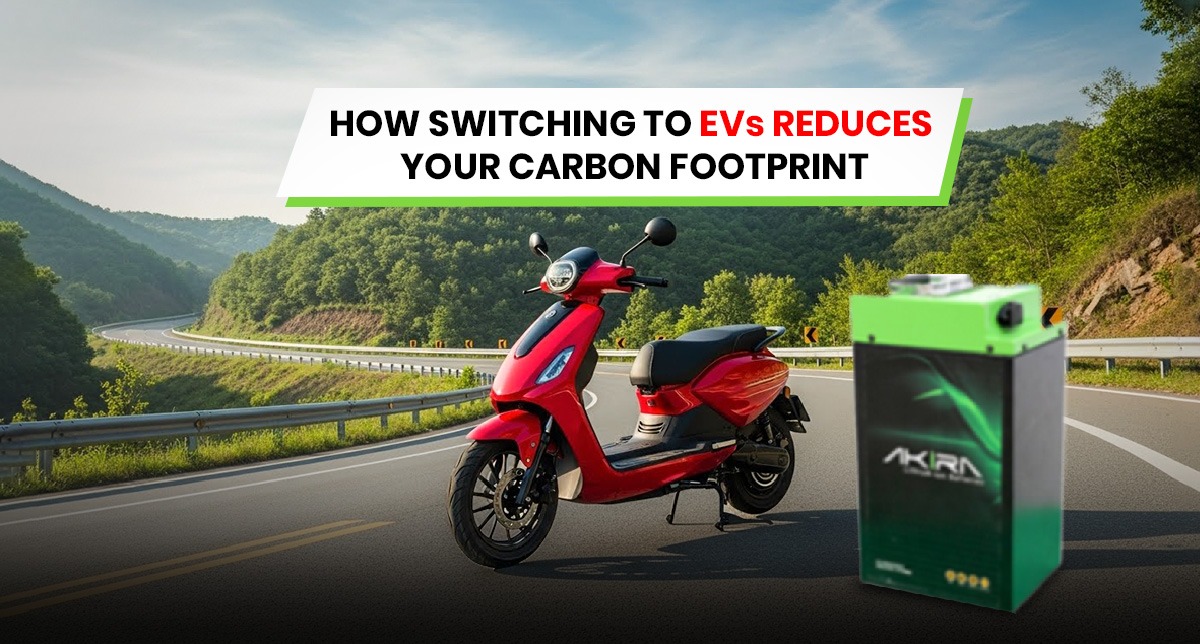
How Switching to EVs Reduces Your Carbon Footprint

In every Indian city, vehicles are constantly moving. Be it morning, evening, or late night. But most still run on petrol or diesel, which means continuous emissions. One ride may feel small, but thousands together raise pollution, increase heat, and make breathing harder in traffic. In this blog by Akira, one of the trusted EV battery manufacturers in India, we discuss how switching to EVs can help reduce your carbon footprint.

How Electric Vehicles Make a Difference

Electric vehicles change this equation in a very direct way. An EV doesn’t burn fuel. It doesn’t release smoke while moving. There’s no exhaust pipe.The energy comes from a lithium-ion battery. So while the vehicle is on the road, emissions are simply not happening.

How Akira Is is doing its part

Akira offers durable lithium-ion batteries for two-wheelers and three-wheelers. These batteries are built for daily riding. For people who actually depend on their vehicles. Akira is recognized among the top EV battery manufacturers in India for reliable batteries.

Efficiency and Real-World Performance

Battery efficiency also plays a role here, more than many people realise. Lithium-ion batteries are efficient by design. They hold more energy. They lose less during charging. They last longer before needing replacement.

Akira Batteries focuses on making sure the stored energy is actually usable. Not just rated capacity. When a vehicle goes farther on the same charge, it draws less power overall. That reduces indirect emissions linked to electricity generation. This attention to detail has made Akira one of the leading EV battery manufacturers in India for high-performance two- and three-wheeler batteries.

Financial Benefits of Switching to EVs

There are financial effects too. Running an EV usually costs less. Maintenance is simpler. No fuel bills fluctuating every month. No engine oil changes. Over time, this stability matters.

Cleaner Air and Everyday Impact

Cleaner air is harder to measure, but easier to feel. With more EVs on the road there is less smoke at signals. Less noise. Better breathing on crowded roads. 

By providing dependable lithium-ion batteries, Akira Batteries is supporting this change. Not just by talking about “tomorrow,” but by helping vehicles on the road today run cleaner and smarter. That’s why Akira is one of the trusted EV battery manufacturers in India.

FAQs

Q1. How long does an Akira lithium-ion battery usually last?
They last for about 3 to 5 years with proper care.

Q2. Do EVs remove emissions completely?
They remove emissions during use. Some emissions may still occur during electricity production, but renewable charging reduces this significantly.

Q3. Are lithium-ion batteries reliable for daily use?

Yes. They are designed for frequent charging and long rides. This makes them dependable for regular users.

Q5. Why choose trusted EV battery manufacturers in India like Akira?

Akira offers quality batteries that offer better performance and longer life, This means fewer worries for users.Akira has positioned itself as one of the most reliable EV battery manufacturers in India by combining efficiency and environmental responsibility. If you are looking for durable EV batteries, then contact AKira today.

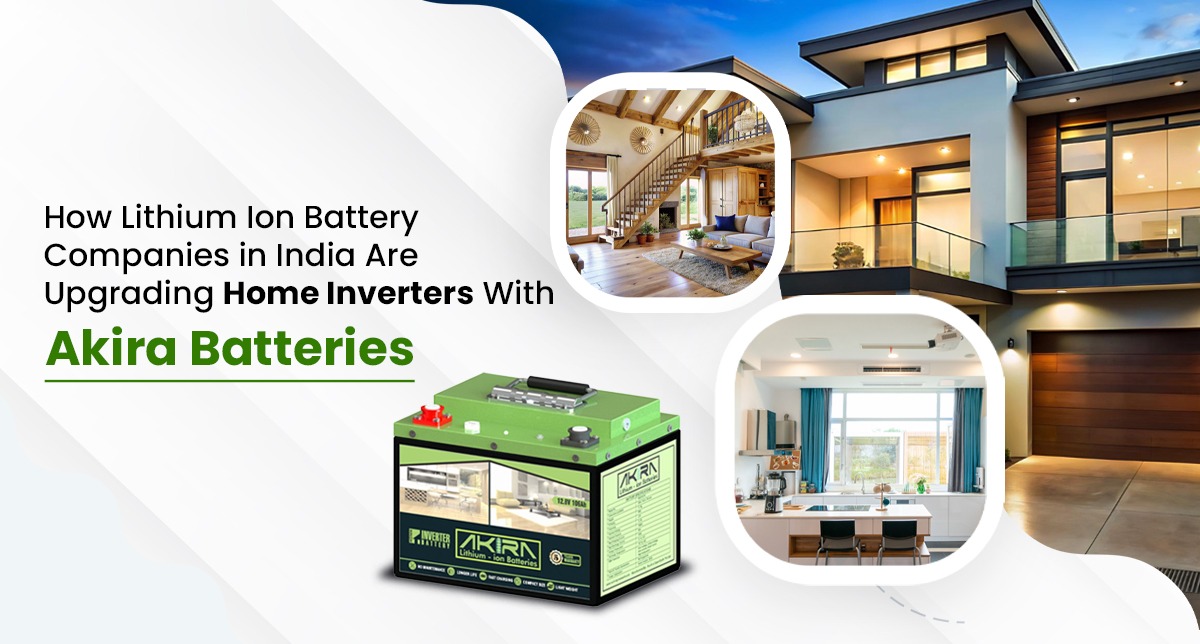
How Lithium Ion Battery Companies in India Are Upgrading Home Inverters With Akira Batteries

Being a habitual resident of India, you know one thing for sure: power cuts don’t follow rules. They show up in the middle of your work call, while cooking, or when the room finally starts cooling down. That’s exactly why people have started paying more attention to what kind of battery sits inside their home inverter. And because lithium technology is slowly becoming the “new normal,” many Lithium ion battery companies in India, including Akira batteries, one of the leading Lithium ion battery manufacturers in India arepaving the wave for interrupted power solution

Why India Should Care About Better Inverter Batteries

Homes today run on more appliances than they did even five years ago. Everyone has a router, multiple fans, lights, a laptop, sometimes two and everything needs steady power. Lead-acid batteries simply can’t keep up anymore.

People aren’t looking for luxury, they’re looking for stability, and that’s something the better Lithium ion battery companies in India, like Akira Batteries, have been addressing so far. Akira batteries, ranked among top Lithium ion battery manufacturers in India just happens to do it more cleanly, more efficiently, and with fewer compromises.

How Akira batteries Changes the Way Your Home Inverter Performs

In this blog with Akira batteries, one of the leading lithium-ion battery manufacturers in India, let’sbreak this down in simple, real-world terms.

1. The battery charges faster

Think about those short 40-minute power returns between long outages. With older batteries, you barely get any real backup. Akira charges quickly enough to make those small windows useful. No drama, no heat spikes, just efficient charging that suits Indian electricity patterns.

2. The Smart BMS quietly watches over everything.

There’s a lot happening inside a battery that we never see. Temperature changes… sudden voltage drops, random surges. Akira’s BMS keeps an eye on all of that. It protects the battery from the kind of small mistakes that usually shorten its life. And because safety matters even more in homes with kids or elderly people, this part becomes a huge deal not just a feature on paper.

3. A longer life, which saves money quietly in the background.

Lithium batteries don’t age the way lead-acid batteries do. The performance stays more stable, they survive more charge cycles, and they don’t suddenly become inefficient after a year. Akira’s chemistry is tuned for Indian temperatures, so it lasts even longer in real-world use, not just in controlled lab tests.

And yes, over time that means fewer replacements and much better value.

Why Akira Feels More “Made for India”

Plenty of Lithium ion battery companies in India make good products, but there’s a difference between a “good lithium battery” and a lithium battery that’s built with Indian households in mind.

Akira batteries, one of the leading lithium-ion battery manufacturers in India, offers an inverter battery design that quietly solves problems most families are used to:

  • Outages stretch unexpectedly for hours.
  • Voltage drops damage normal batteries.
  • Homes rely on multiple devices at once.

Last Thought

Akira Stands Out Among Lithium Ion Battery Companies in India Because It Solves Real Problems.

In a market filled with promises, Akira’s value shows up in actual everyday performance. While many Lithium ion battery companies in India focus on marketing, Akira focuses on solving things that matter: backup, safety, charging time, and long-term stability.

And that’s exactly why homeowners who switch rarely want to go back. Because once your home runs on a smarter battery, power cuts stop feeling like a disruption… and start feeling like just another moment your inverter can comfortably handle.

FAQs

Q1. Is a lithium inverter battery really better for home use?

Yes. It charges faster, lasts longer, performs better during heavy load, and needs zero maintenance.

Q2. What makes Akira different from other Lithium ion battery companies in India?

Akira is engineered specifically for Indian homes- long outages, high temperatures, voltage instability, and daily appliance load.

Q3. Does Akira offer stable backup for long power cuts?

Absolutely. Its high-density lithium cells and smart BMS deliver reliable, long-duration power.