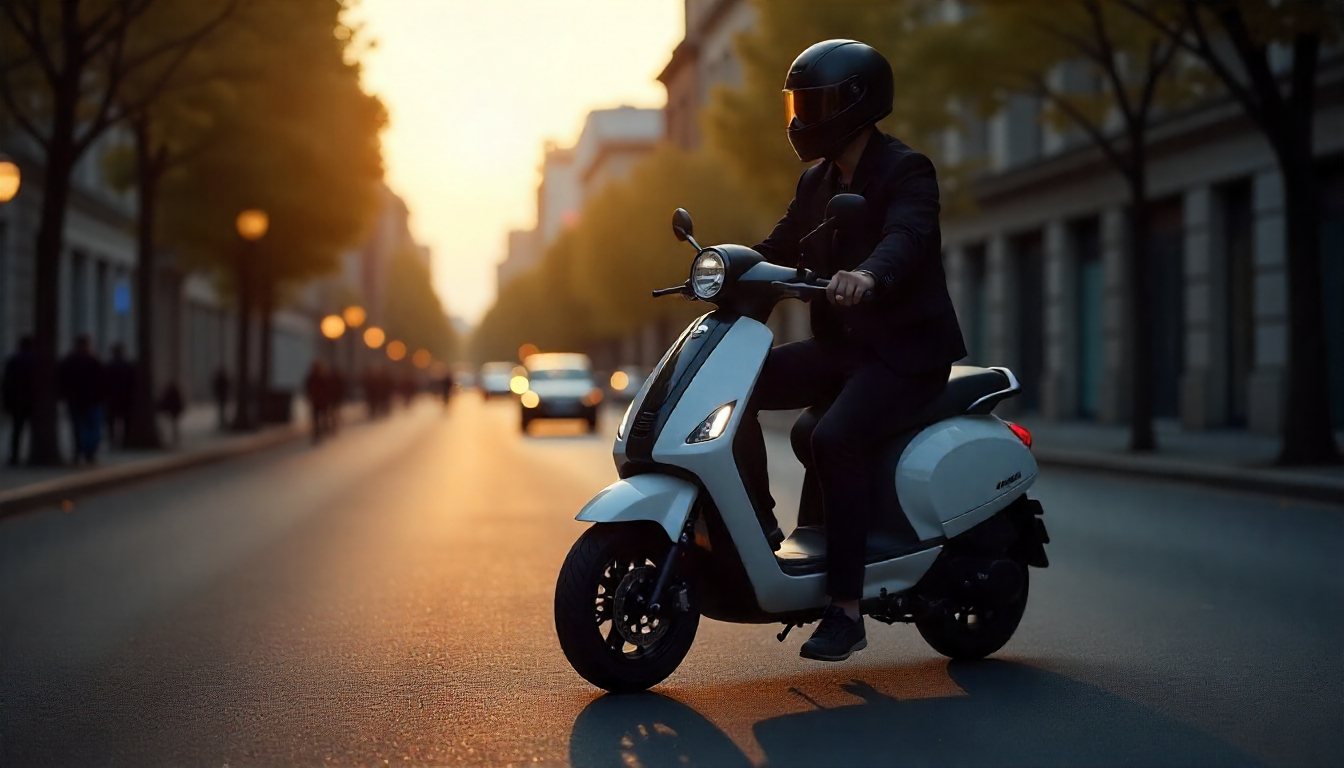
Choosing the correct power backup for your scooter plays an important role and the battery defines performance, longevity, and overall cost of you electric scooter. With Akira, our advanced lithium-ion batteries are designed to offer increased longevity, faster recharging, and consistent performance—making them the better choice for modern riders. Most customers do take into consideration the cost of the electric scooter battery, though. The market has two main options—lithium-ion and lead-acid batteries. But do either of them actually provide better value for money? Let’s see.
Initial Price Comparison
Lead-acid batteries are cheaper at cost, but this tends to be attractive to penny-pinchers. The lower cost of electric scooter batteries generally comes at the expense of efficiency, weight, and longevity. Akira’s lithium-ion batteries, although more expensive initially, enhance longevity and save replacement costs over the long term.
Performance and Efficiency
Lithium-ion batteries are denser in energy, smaller, and lighter, and thus offer longer ranges and a smoother ride. Lead-acid batteries are heavier and less efficient compared to them. So even if lithium-ion’s electric scooter battery cost may be greater, performance enhancement makes it the one that should be chosen when traveling for daily commuting.
Lifespan and Durability
A typical lead-acid battery lasts around 300–400 charge cycles, while Akira lithium-ion batteries can exceed 1000 cycles. This means riders get almost three times the lifespan. When viewed over time, the electric scooter battery price of lithium-ion turns out to be far more cost-effective than lead-acid.
Charging Time
For city commuters and daily rider, time is very crucial. Lead-acid batteries take 8–10 hours to recharge, whereas Akira lithium-ion batteries typically recharge in 3–4 hours. The additional cost of the electric scooter battery is easily justified by the convenience and reduced downtime.
Environmental Impact
Lithium-ion batteries are more environmentally friendly and recyclable than lead-acid batteries that have toxic elements. Opting for Akira’s eco-friendly lithium-ion means higher sustainability without sacrificing performance.
Conclusion
Although lead-acid batteries can look enticing with their lower initial investment cost, Akira lithium-ion battery’s higher performance, longer lifecycle, and rapid charging make them the superior long-term option. If electric scooter battery price is compared on a value basis rather than the original price, then lithium-ion battery is a sure short winner.
CTA
Opt for Akira lithium-ion batteries for reliable performance, faster charging, and enduring value.
Smarter rides with Akira—where quality meets affordability.
FAQs
Q1. What contributes the most to electric scooter battery price?
The technology, capacity, and battery type contribute the most to the price.
Q2. How long will an Akira lithium-ion battery last?
Akira lithium-ion batteries will typically last more than 1000 charge cycles.
Q3. Is a lithium-ion battery worthy at the higher electric scooter battery price?
Yes, because they provide longer lifespan, quick charging, and enhanced efficiency.
Q4. Can I replace my lead-acid battery with an Akira lithium-ion battery?
Yes, Akira lithium-ion batteries are direct replacements in the majority of electric scooters.